
Cross-selling and upselling: how to grow the average basket effectively
November 17, 2024 · 7 min read
Introduction
Cross-selling and upselling are pillars of in-store sales technique. Cross-selling means suggesting complementary products, while upselling invites the customer to choose a more premium version or add extra options. Used well, these methods can turn an ordinary transaction into an opportunity to grow the average basket significantly while improving the shopping experience.
Success with these techniques is not automatic, though. Modern customers expect relevant interactions and expert advice. The key lies in a personalized approach, backed by a sales team that is well trained and committed.
In this article, we lay out six concrete strategies for excelling at cross-selling and upselling in store, always keeping customer satisfaction front and center.
Observe and anticipate the customer's needs
A good sale always begins with careful observation. As a sales associate, your ability to detect a customer's needs, sometimes before they even express them, is essential to successful cross-selling or upselling.
If a customer is trying on a pair of shoes, for example, you might notice their interest in similar models or spot that they could use accessories like comfort insoles or a care product (cross-selling). For upselling, you might suggest a premium leather model, highlighting benefits such as durability or elegance.
That observational skill goes hand in hand with active listening. Ask open questions like "What do you have in mind to go with this purchase?" or "Are you looking for something more versatile?". These exchanges help you understand expectations and personalize your recommendations.
By observing closely and anticipating needs, you can guide the customer toward products that enrich their purchase while enhancing their in-store experience.
Create an attractive display
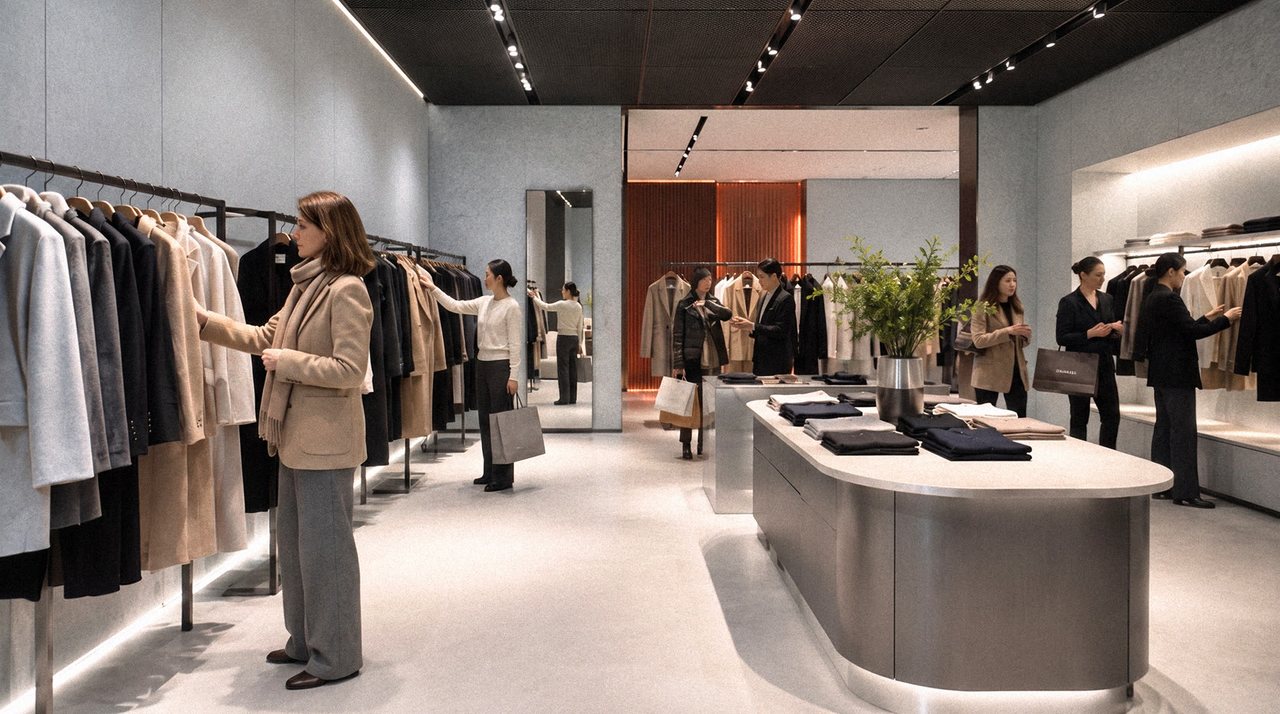
The store environment plays a crucial role in successful cross-selling and upselling. Visual merchandising has an important part to play in making the sales team's job easier. An attractive display can inspire customers and prompt them to consider additional or higher-end products.
Present complete outfits on mannequins, for example, including matching accessories like belts or handbags. In a cosmetics store, create spaces dedicated to full routines, with creams, serums, and cleansers grouped coherently.
For upselling, showcase premium products in strategic zones, such as near the checkout or at eye level. Add labels that highlight their advantages ("Limited edition", "Best quality").
A carefully staged display turns the store into an inspiring space where every customer can easily picture themselves buying complementary or high-end items.
Lean on storytelling
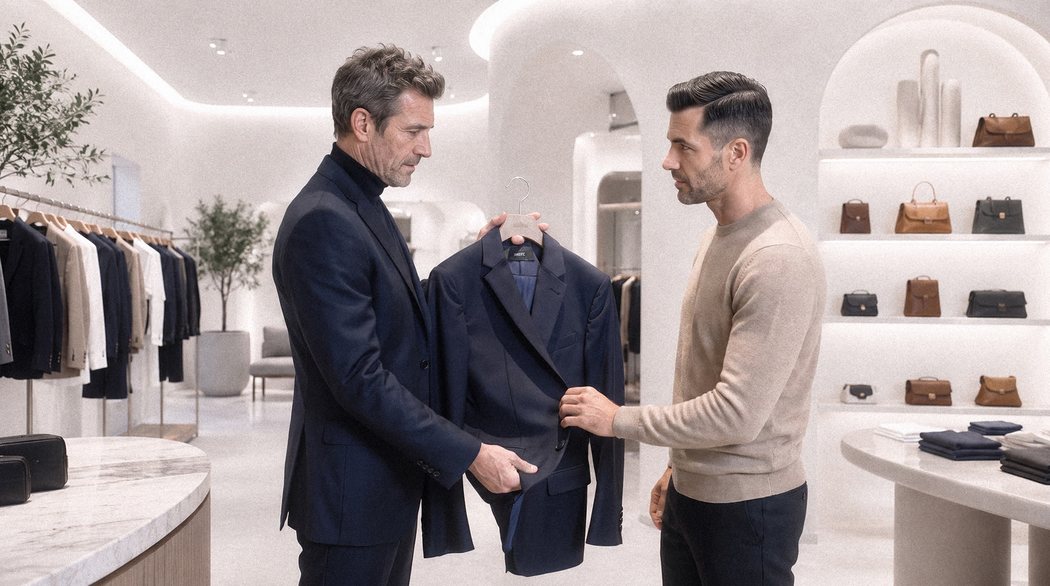
Storytelling is a powerful tool for sparking interest and adding value to the products you offer through cross-selling or upselling. An engaging story around an item can help the customer better understand its usefulness and what makes it unique.
If you are presenting a high-end bag, for instance, highlight its artisanal craftsmanship, the exceptional materials used, and the brand's history. That creates an emotional connection that can justify a more premium choice.
For cross-selling, connect products with a coherent narrative. For example: "This wool scarf will pair perfectly with your coat for an elegant look this winter."
By using storytelling, you elevate the in-store shopping experience and make the products you suggest feel more relevant.
Offer demonstrations or trials
Inviting the customer to test or try products can make all the difference in cross-selling or upselling. When a customer can see, touch, or try an item, they are far more likely to consider buying it.
In a fashion boutique, encourage the customer to try on a coat that matches the outfit they have chosen, or invite them to test a premium pair of shoes. In a jewelry store, let them try a bracelet or a watch to complement their main purchase.
Demonstrations are also useful for showing off a product's advantages. In an electronics store, demonstrating how a high-end pair of headphones delivers better sound quality can easily convince a customer to trade up.
By offering this hands-on experience, you reduce the customer's hesitation and guide them naturally toward a broader or more premium choice.
Play on in-store exclusive offers
Customers enjoy feeling privileged, and offering exclusive deals directly in store can be an excellent way to encourage cross-selling and upselling. These offers might include conditional discounts, limited-edition items, or gifts with the purchase of a complementary product.
A cosmetics store might offer a free mini product with the purchase of a full set, for example. In a fashion retailer, a 10% discount on a matching accessory can prompt the customer to add it to their basket.
These exclusive offers create a sense of unique opportunity and encourage customers to explore more of what the store has to offer.
Create an atmosphere that invites interaction
Finally, a warm and welcoming atmosphere encourages interactions between sales associates and customers, an essential condition for successful cross-selling or upselling. Customers feel more comfortable talking, exploring options, and accepting suggestions.
Make sure your sales team is proactive while remaining discreet. A warm welcome, open body language, and perfect product knowledge all strengthen the customer's trust.
A luxury boutique might offer a comfortable lounge area where customers can sit with an advisor while exploring additional options. This approach creates a personalized, memorable shopping experience.
Conclusion
In-store cross-selling and upselling are powerful techniques for growing the average basket while enriching the customer experience. By focusing on observation, storytelling, demonstrations, and exclusive offers, sales associates can turn every interaction into an additional sales opportunity. An attractive display and the right atmosphere round out these strategies, helping build a lasting relationship of trust with every customer. By applying these methods, stores can not only increase their revenue but also create unforgettable customer experiences.