
Storytelling and luxury: why a brand's story is as precious as its products
July 4, 2024 · 9 min read
Introduction
Luxury is not just noble materials and exceptional craftsmanship. What truly sets a prestigious house apart is the story it embodies and passes on to its customers. Chanel, Louis Vuitton, Hermès: these iconic brands do not merely sell products, they carry a heritage, a set of values, and a dream.
In a market where emotion and experience outweigh rational purchasing, storytelling has become an essential strategic lever. It builds strong relationships with customers, anchors the brand in a unique cultural universe, and secures its longevity against fleeting trends.
But how does storytelling fit into the world of luxury? What are its benefits, and how do you master it? Through six key points, we explore the importance of narrative in building and elevating a premium brand.
Storytelling, a fundamental pillar of luxury
Luxury is defined by a pursuit of excellence and a deliberate rarity. But to create an emotional connection with customers, a brand must go beyond the product: it must tell a story.
Storytelling gives creations a soul. It places a piece within a heritage, a vision, or a mission. A watch is not just a precision mechanism, it becomes the symbol of centuries-old savoir-faire. A bag is not merely an accessory, it embodies the prestige and tradition of a hundred-year-old house.
Luxury houses understand this well and build narratives around their founders, their craftsmanship, and their commitments. Dior highlights its couture heritage and the boldness of its founder, for example, while Cartier celebrates exploration and royalty through its iconic pieces.
Beyond marketing, storytelling also reinforces a brand's legitimacy in its market. New generations of consumers, Gen Z in particular, look for brands with a strong identity and sincere values. Telling a coherent, authentic story becomes central to attracting and retaining this demanding clientele.
By building on coherent storytelling, a brand anchors its identity, retains its customers, and sets itself apart for the long term in an ultra-competitive market.
A brand's story, a major differentiator
In the world of luxury, where products are often comparable in quality, it is the story that makes all the difference. A brand that manages to tell a unique, captivating story creates a deep bond with its customers.
That differentiation comes through several elements:
- Origins: a house born of a visionary artisan holds powerful narrative capital.
- Values: timelessness, boldness, excellence; each brand infuses a philosophy that makes it unique.
- Iconic moments: legendary runway shows, exclusive collaborations, and cult pieces enrich the story.
Take Rolex. Beyond its technical performance, the brand established itself by tying its watches to the feats of adventurers and pioneers. Every model tells an epic tale, from the summit of Everest to the depths of the ocean.
What is more, as the luxury market grows increasingly competitive, with new houses emerging and premium challenger brands arriving, powerful storytelling constitutes a barrier to entry that newcomers find hard to cross. Heritage brands thus enjoy a lasting competitive advantage.
By cultivating strong storytelling, a brand takes root in the collective imagination and sparks a desire that goes far beyond the product.
Emotion at the heart of the customer experience
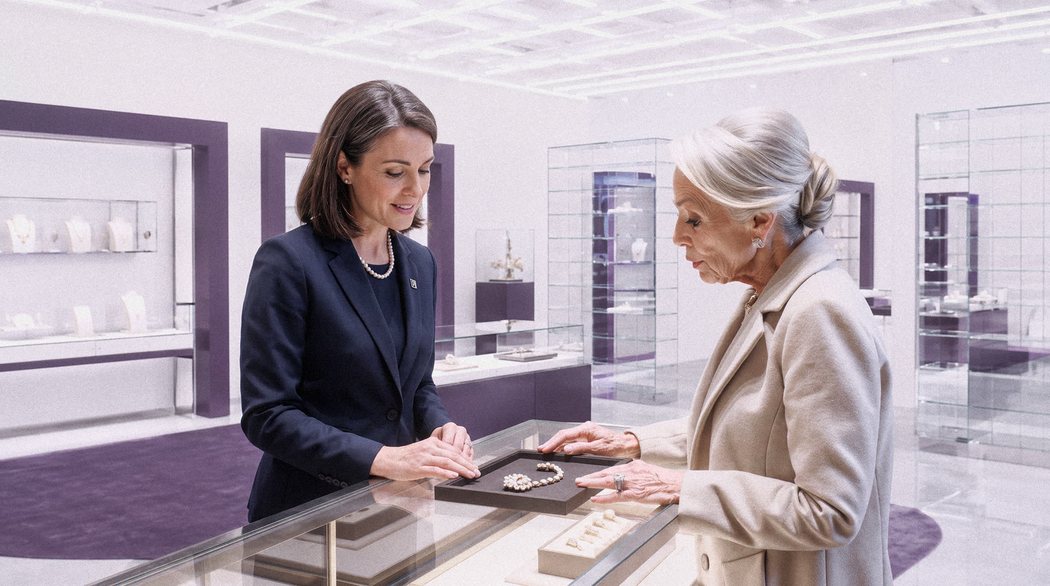
Luxury is above all a matter of emotion. Customers seek a unique experience, a sense of belonging to an exclusive world. Storytelling plays a key role in this quest for enchantment.
Brands use several levers to create that emotional connection:
- Immersive advertising campaigns: cinematic films that plunge the viewer into a dreamlike universe (e.g. Chanel's campaigns).
- Stores designed as showcases of history: the customer experience begins the moment you enter a store conceived as an emblematic place (e.g. the Hermès store on rue du Faubourg Saint-Honoré).
- Ultra-personalized services: a bespoke approach that echoes the house's values.
By weaving a strong narrative dimension into every touchpoint, the brand creates a sensory and emotional experience that transcends the material purchase. Louis Vuitton stores, for example, are not simple points of sale but immersive spaces where every object tells a fragment of the story.
By placing emotion at the center of the customer relationship, brands build lasting loyalty and turn every purchase into an unforgettable moment.
Celebrating craftsmanship and authenticity
Craftsmanship and authenticity sit at the heart of luxury houses' storytelling. These brands, which embody excellence and tradition, do not merely sell products: they tell a story rooted in unique artisanship and techniques passed down from generation to generation.
Every luxury product is the fruit of meticulous work, rare savoir-faire, and an attention to detail that sets it apart from mass production. Hermès, for example, showcases the work of its saddler-artisans who craft each bag by hand, guaranteeing impeccable quality and sought-after exclusivity. Likewise, Swiss watchmaking houses such as Patek Philippe celebrate their exceptional expertise by highlighting precise gestures and complex mechanisms, sometimes made by hand over several months.
Storytelling around craftsmanship is also a way for brands to justify their high-end positioning and elevated prices. By spotlighting rare materials, artisanal processes, and exacting quality standards, they create a strong emotional bond with consumers who are looking not just for a product, but for a piece of history.
Today, luxury houses increasingly weave transparency into their storytelling to meet the expectations of new generations. By opening the doors of their workshops, putting their artisans forward, and sharing the story of their raw materials, they reinforce their authenticity and credibility. Louis Vuitton, for example, regularly hosts events where customers can watch products being made live.
By celebrating their heritage, craftsmanship, and authenticity, luxury brands perpetuate a powerful narrative that feeds their prestige and desirability.
Storytelling as a lever of desirability and exclusivity
In the world of luxury, rarity and exclusivity are essential to creating desire. Storytelling plays a major role here, transforming a simple product into an object of longing, rooted in a unique and timeless narrative.
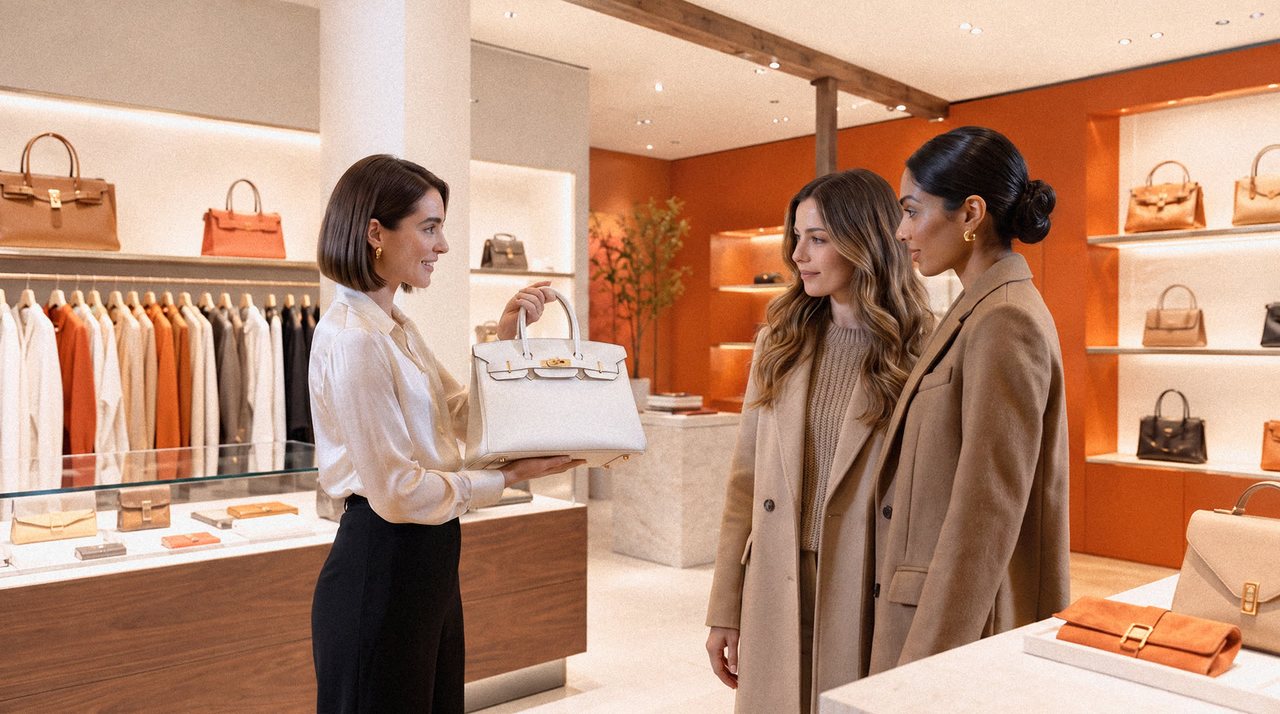
Luxury brands cultivate that exclusivity in several ways. Limited collections are a perfect example. Hermès and its iconic Birkin bag illustrate the strategy perfectly: produced in restricted quantities and accessible only after a long wait, it becomes the ultimate symbol of exclusivity. The phenomenon is reinforced by carefully controlled storytelling around the product's prestige and exceptional character.
Exclusive collaborations are another important lever. By partnering with designers, artists, or influential figures, luxury houses create special editions that generate intense excitement. The collaborations between Louis Vuitton and artists like Jeff Koons or Yayoi Kusama show how storytelling can turn a collection into a cultural and commercial event.
Brand ambassadors also help amplify that desirability. By associating with celebrities and influential icons, luxury houses fold their universe into a larger narrative steeped in prestige and aspiration. Chanel, for example, capitalized on its history with Marilyn Monroe to reinforce the timeless aura of its N°5 perfume.
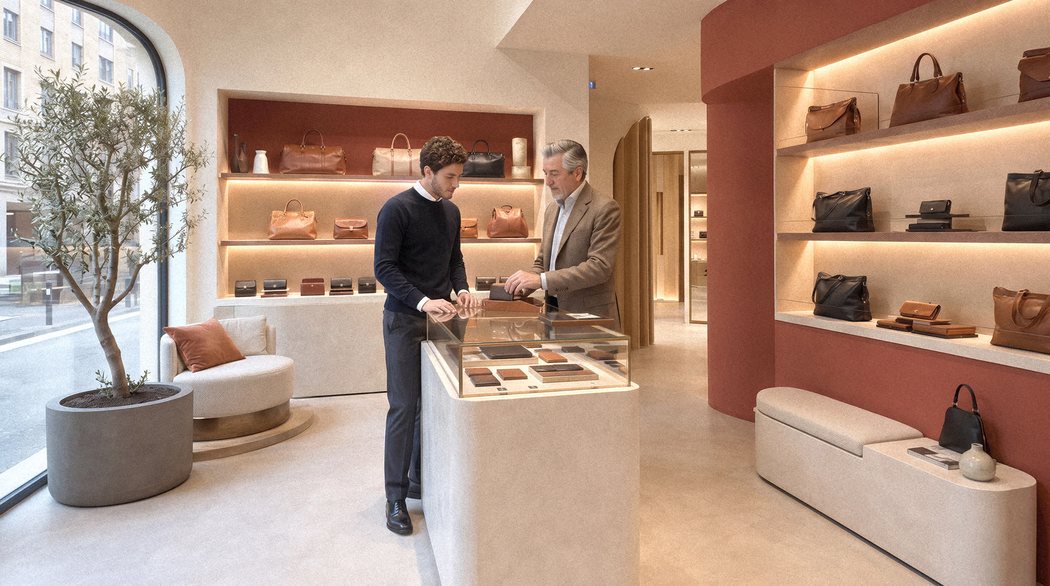
Finally, the customer experience itself is scripted to heighten that exclusivity. Luxury boutiques are not mere sales spaces but true temples of refinement, where every detail, from the welcome to the way products are presented, reinforces the brand's story.
By pairing storytelling with strategies of scarcity, luxury houses sustain a constant level of desirability, turning every purchase into an exclusive, memorable experience.
The future of storytelling in luxury
With the rise of digital, luxury brands must adapt their storytelling to new media, particularly social networks and interactive online experiences.
Immersive storytelling, using augmented reality or the metaverse, is becoming a strong trend for engaging a new generation of consumers in search of exclusive experiences. Houses like Gucci and Balenciaga are already investing in these technologies to create digital collections and virtual events.
Authenticity remains essential, however. Consumers look for brands that stand for deep, committed values. Tomorrow's storytelling will not be limited to marketing theater: it will have to embody an ethical, responsible vision.
Finally, personalization will sit at the heart of storytelling. With artificial intelligence and customer data, brands will be able to offer unique experiences tailored to each consumer, deepening attachment and loyalty.
The future of storytelling in luxury lies in a subtle balance between digital innovation, immersive narrative, and authentic commitment.
Conclusion
In the world of luxury, storytelling is far more than a marketing tool: it is an essential element that shapes brands' identities and their relationships with customers. By celebrating their history, their craftsmanship, and their exclusivity, they create a captivating narrative that stirs emotion and desire.
As consumer expectations evolve, especially with the rise of digital and new technologies, luxury houses must adapt their storytelling while staying true to their heritage. The future lies in a balance between innovation and tradition, allowing brands to keep writing their legend and captivating generations to come.