

Customer loyalty: the strategies that actually work in 2025
December 27, 2024 · 7 min read
In a market where competition keeps intensifying, customer loyalty has become one of the main levers of growth. For brands, building loyalty means more than satisfying customers: it means creating a unique, memorable experience. In 2025, that dynamic rests on innovative strategies attuned to what consumers now expect.
Today's customers want far more than a product: they want a story, an emotional connection, and personalized service. Retailers must rethink their approach and weave in elements like customer experience, personalized guidance, and a refined selling ceremony.
So which methods actually work in 2025? Here are the six most effective strategies for building lasting customer relationships in retail.
Invest in the customer experience
Customer experience sits at the heart of any loyalty strategy. In 2025, it goes far beyond simple interactions: the goal is to create unique, memorable moments at every touchpoint. Customers want to be surprised, valued, and understood.
That means brands need to deploy innovative initiatives, such as private in-store appointments, personalized workshops, or new technologies that showcase collections in immersive ways.
Customers today arrive extremely well informed, thanks to the wealth of resources available on a brand's website. That makes a flawless sales team indispensable: one that has fully mastered product features, brand history, and brand values. Never lose sight of the fact that the in-store experience plays a decisive role in shaping a customer's overall opinion of the brand.
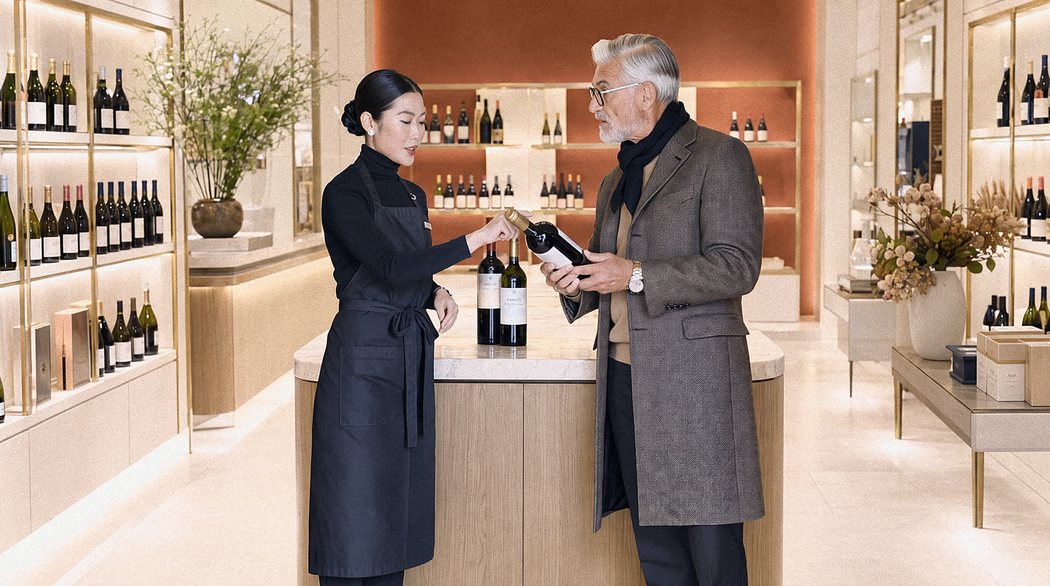
Strengthen guidance through the sales team
The sales team plays a key role in customer loyalty. In 2025, sales associates are no longer mere intermediaries: they become trusted advisors, able to personalize every interaction and create a unique experience for each customer.
To get there, retailers must invest in continuous training for their teams. Given the high turnover that characterizes these roles, a structured, comprehensive training and onboarding process becomes an absolute priority.
Retailers that combine stronger human guidance with digital tools see a clear improvement in customer satisfaction and loyalty. Blended learning in particular offers an ideal solution, bringing together the best of both approaches: in-person guidance to motivate and coach teams, paired with interactive, flexible learning on mobile devices.
Perfect the selling ceremony
The selling ceremony is a key ingredient of loyalty. This ritual, often subtle but carefully orchestrated, creates a memorable experience and reinforces the brand's identity.
A successful selling ceremony begins the moment the customer walks in. Attentive, warm service, carefully chosen words, and a distinctive atmosphere all leave a lasting impression. Although it is sometimes reserved for VIP customers, an elevated selling ceremony should be designed for every customer, so that each one feels valued.
The ceremony does not end at the moment of purchase, however. It should extend through delivery and after-sales with simple but meaningful gestures, such as refined packaging or a personalized note. These touches, which may seem minor, leave a positive and lasting impression that helps turn customers into loyal ones.
Use digital to personalize the experience
Personalization is one of consumers' top expectations in 2025, and digital is the essential tool for delivering it. With data collected on purchasing behavior, brands can create tailor-made journeys for every customer.
A mobile app can send recommendations based on previously expressed preferences, for example, or notify customers about private sales and exclusive events. Personalized newsletters are also an excellent way to maintain the relationship.
Some retailers go further still, using technologies like artificial intelligence to predict customer needs and offer solutions before customers even voice them. That anticipation strengthens satisfaction and creates a smooth, seamless experience.
By tapping the full potential of digital, brands can deliver personalization at scale.
Build loyalty with exclusive benefits programs
Loyalty programs remain an essential tool, provided they are well designed. In 2025, their purpose goes beyond simply accumulating points: customers now look for exclusive, personalized benefits. These programs draw on well-known cognitive biases that make customers feel privileged compared to others, which naturally deepens their loyalty to the retailer.
An effective loyalty program can include privileges such as early access to collections, invitations to private events, or bespoke services tailored to each customer's needs.
As noted earlier, these initiatives create a sense of belonging to an elite community, prompting customers to return regularly and actively recommend the brand to those around them.
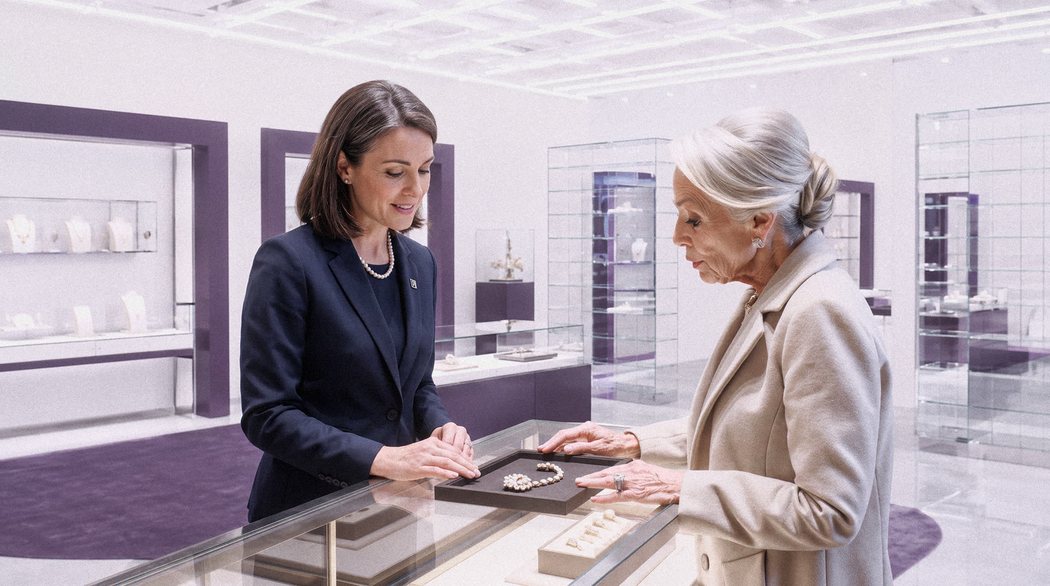
Bet on emotional engagement
Finally, emotional engagement is the ultimate ingredient for a lasting customer relationship. In 2025, the brands that touch their customers' hearts through shared values, authentic stories, and responsible action are the ones that stand out.
A retailer committed to environmental or social causes, for example, can forge a deep bond with its customers. Customers are no longer just buying a product: they are backing a vision and a mission they care about.
By highlighting these emotional dimensions and weaving them into their overall strategy, brands can not only win new customers but also turn existing ones into loyal ambassadors.
Conclusion
Customer loyalty in 2025 rests on strategies that blend personalization, innovation, and emotional engagement. By investing in customer experience, the sales team, a refined selling ceremony, and high-performing digital tools, accessible luxury and premium brands can build lasting relationships with their customers. Combined with exclusive programs and strong emotional involvement, these efforts are the keys to standing out in a fiercely competitive market. The future of loyalty rests on a human approach, enriched by technology.